


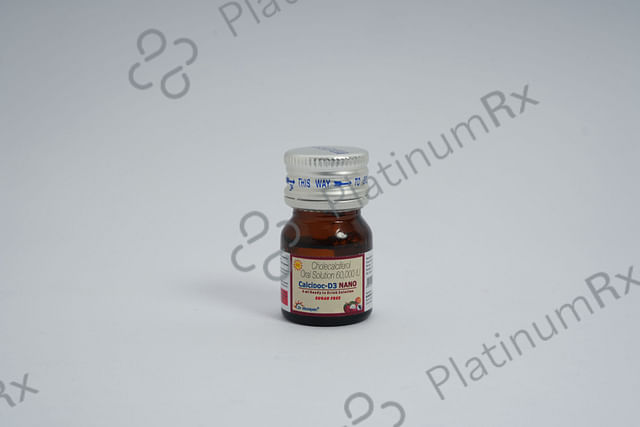
Jox O 200/500mg Tablet 10s
Dr. Johns Laboratories Pvt. Ltd.
Strip of 10 tablets
₹73.32
₹89.42
18% Off
Oflogard O 200mg/500mg Tablet is a combination of two antibiotics. It is used in the treatment of bacterial and parasitic infections. It effectively treats a wide range of bacterial infections that may occur in the teeth, lungs, gastrointestinal infections, urinary and genital tract. Oflogard O 200mg/500mg Tablet is best taken with food. Take it at a fixed time to ensure better efficacy. Do not take more than the recommended dose, as it may have harmful effects on your body. If you miss a dose, take it as soon as you remember. The treatment must be completed even if you feel better to ensure a complete recovery. This medicine may lead to some side effects such as nausea, vomiting, stomach pain, loss of appetite, dizziness, and headache. To overcome any such side effects, it is advised to eat a healthy balanced diet and drink plenty of fluid. If any of the side effects get aggravated, consult your doctor immediately. If you experience any allergic reaction (rashes, itching, swelling, shortness of breath, etc.), you must seek immediate medical help. Before taking this medicine, you should tell your doctor if you have any problems with your liver or kidneys. Also, tell your doctor if you are on any medication for any health condition. Pregnant or breastfeeding women should also consult with the doctors before taking it. Avoid drinking alcohol as it can cause excessive dizziness with this medicine. It usually does not impair your ability to drive, but you should not drive if it makes you feel sleepy or dizzy. If you have known allergies to the medicine, refrain from using this medicine. It is advised to take proper rest during the course of treatment for the medicine to work effectively.
Written by: Srishti Bhukta, B. Pharma
Reviewed by: Dr. Varinderjeet Kaur, MBBS
Last updated on: 17-04-2025
Delivery by
...
FDA & GMP Certified
Long Expiry (>8 Months)
15 Days Easy Returns
Have a question?

Genuine Medicine
Pay On Delivery
Secure Payment

LegitScript Certified Online Pharmacy
Oflogard O 200mg/500mg Tablet is a combination of two antibiotics. It is used in the treatment of bacterial and parasitic infections. It effectively treats a wide range of bacterial infections that may occur in the teeth, lungs, gastrointestinal infections, urinary and genital tract. Oflogard O 200mg/500mg Tablet is best taken with food. Take it at a fixed time to ensure better efficacy. Do not take more than the recommended dose, as it may have harmful effects on your body. If you miss a dose, take it as soon as you remember. The treatment must be completed even if you feel better to ensure a complete recovery. This medicine may lead to some side effects such as nausea, vomiting, stomach pain, loss of appetite, dizziness, and headache. To overcome any such side effects, it is advised to eat a healthy balanced diet and drink plenty of fluid. If any of the side effects get aggravated, consult your doctor immediately. If you experience any allergic reaction (rashes, itching, swelling, shortness of breath, etc.), you must seek immediate medical help. Before taking this medicine, you should tell your doctor if you have any problems with your liver or kidneys. Also, tell your doctor if you are on any medication for any health condition. Pregnant or breastfeeding women should also consult with the doctors before taking it. Avoid drinking alcohol as it can cause excessive dizziness with this medicine. It usually does not impair your ability to drive, but you should not drive if it makes you feel sleepy or dizzy. If you have known allergies to the medicine, refrain from using this medicine. It is advised to take proper rest during the course of treatment for the medicine to work effectively.
Treatment of Bacterial & parasitic infections
In Treatment of Bacterial & parasitic infections Oflogard O 200mg/500mg Tablet is a combination medicine which can be used to treat infections caused by bacteria and parasites. It works by killing and stopping the growth of the bacteria and parasites causing the infection. This medicine usually makes you feel better quite quickly. However, you should continue taking it as long as it is prescribed even if you feel better, to make sure that all bacteria and parasites are killed and do not become resistant.
Most side effects do not require any medical attention and disappear as your body adjusts to the medicine. Consult your doctor if they persist or if you're worried about them. ['Vomiting, Dizziness, Headache, Insomnia (difficulty in sleeping), Itching, Vaginal inflammation, Diarrhea']
Take this medicine in the dose and duration as advised by your doctor. Swallow it as a whole. Do not chew, crush or break it. Oflogard O 200mg/500mg Tablet is to be taken with food.
Oflogard O 200mg/500mg Tablet is a combination of two antibiotics: Ofloxacin and Ornidazole. Ofloxacin works by preventing the bacterial cells from dividing and repairing, thereby killing the bacteria. Ornidazole kills parasites and anaerobic bacteria that cause infections by damaging their DNA. Together, they treat your infection effectively.

Alcohol
UNSAFE - It is unsafe to consume alcohol with Oflogard O 200mg/500mg Tablet.

Pregnancy
CONSULT YOUR DOCTOR - Oflogard O 200mg/500mg Tablet may be unsafe to use during pregnancy. Although there are limited studies in humans, animal studies have shown harmful effects on the developing baby. Your doctor will weigh the benefits and any potential risks before prescribing it to you. Please consult your doctor.

Breast feeding
CONSULT YOUR DOCTOR - Information regarding the use of Oflogard O 200mg/500mg Tablet during breastfeeding is not available. Please consult your doctor.

Driving
UNSAFE - Oflogard O 200mg/500mg Tablet may cause side effects which could affect your ability to drive.

Kidney
SAFE IF PRESCRIBED - Oflogard O 200mg/500mg Tablet is probably safe to use in patients with kidney disease. Limited data available suggests that dose adjustment of Oflogard O 200mg/500mg Tablet may not be needed in these patients. Please consult your doctor.

Liver
CAUTION - Oflogard O 200mg/500mg Tablet should be used with caution in patients with liver disease. Dose adjustment of Oflogard O 200mg/500mg Tablet may be needed. Please consult your doctor.
If you miss a dose of Oflogard O 200mg/500mg Tablet, take it as soon as possible. However, if it is almost time for your next dose, skip the missed dose and go back to your regular schedule. Do not double the dose.
Store below 30°C
plot number 48, first floor, phase - i, industrial area phase i, chandigarh, 160002
PlatinumRx is committed to providing reliable and accurate information to support informed customer decisions. However, all information made available on the Platform, including product descriptions, comparisons, and other content, is provided solely for general informational purposes. Such information is not intended to diagnose, prevent, treat, or cure any medical condition, nor should it be relied upon as a substitute for professional medical advice, diagnosis, or treatment.

More Medicines By Health Guard India Pvt. Ltd.
More Medicines With Ofloxacin 200mg + Ornidazole 500mg
Top Selling Medicines
Top Selling Devices
Top Selling Health Products


