Get ₹100 OFF
On First App Order

Spirotic 20mg/50mg Tablet

Spirotic 20mg/50mg Tablet is a balanced combination diuretic containing of Furosemide and of Spironolactone. It is mainly used to treat stubborn swelling (oedema) and fluid build-up caused by conditions such as heart failure, liver disease (cirrhosis), and certain kidney problems like nephrotic syndrome. One part of the medicine helps your body remove excess water and salt through urine, while the other part helps your body hold on to the right amount of potassium, an important mineral. This balance is helpful for people who tend to have low potassium levels when taking regular water tablets on their own.

Read more

Written by: Syed Jommy Abbas, B. Pharma

Reviewed by: Dr. Devika Rani, MBBS

Last updated on: 20-05-2026

Exact substitute from a trusted brand

Same Composition
Same Strength
FDA Approved
Same Composition
Currently Viewing
Spirotic 20mg/50mg Tablet

Talent Healthcare

Strip of 10 tablets
MRP21.8
2.2 / Unit

See trusted brand

Top Substitue
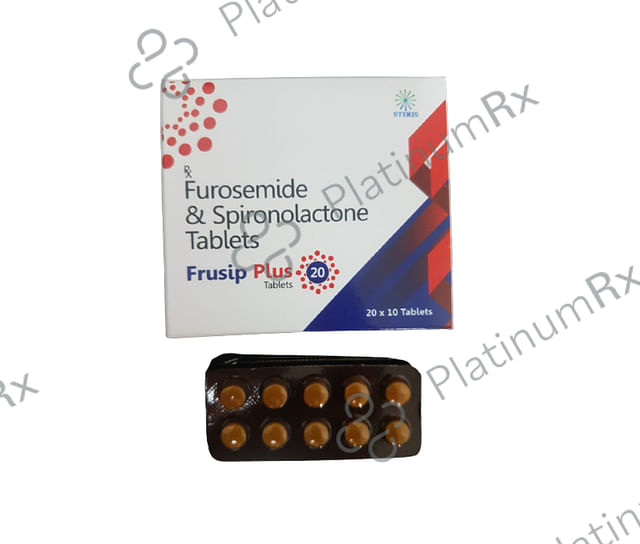
Frusip Plus 20/50mg Tablet 10s

Steris Healthcare Pvt. Ltd.

Strip of 10 tablets
31.3
MRP 49.8
3.1 / Unit32% OFF

Additional 5% OFF

4.9K Bought this instead

Delivery by

...

who

WHO GMP Certified

Long Expiry (>8 Months)

15 Days Easy Returns

Medicine Comparison

100% Exact Salt Match
Spirotic 20mg/50mg Tablet
Frusip Plus 20/50mg Tablet 10s
NPPA Approved
NPPA Approved
FDA Approved
FDA Approved
₹2.2 / Unit
₹3.1 / Unit
Doctor Approved & Trusted
thumbnail

Genuine Medicine

Pay On Delivery

Secure Payment

View content in

languageEnglishDown Arrow

Detailed Description

Spirotic 20mg/50mg Tablet is an oral fixed-dose combination therapy designed for comprehensive fluid management. It brings together two distinct classes of diuretics to achieve a synergistic effect on the kidneys.

  • Composition and Mechanism: Each tablet contains of Furosemide and of Spironolactone. Furosemide acts rapidly in the Loop of Henle to block sodium and chloride reabsorption, increasing urine output. Spironolactone works more slowly by blocking aldosterone, a hormone that normally tells the body to hold onto salt and water. A key benefit of this pairing is that while Furosemide tends to "flush out" potassium, Spironolactone helps the body "retain" it, resulting in a more stable electrolyte profile for the patient.
  • Major Therapeutic Uses: Spirotic 20mg/50mg Tablet is indicated for the treatment of fluid accumulation (oedema) in patients with chronic heart failure or liver cirrhosis with ascites (fluid in the belly). It is also used to manage essential hypertension in patients where other therapies have failed or where fluid retention is a major factor. The ratio is specifically calibrated for patients who require moderate diuresis but are at high risk for heart rhythm problems associated with potassium loss.
  • Benefits and Precautions: The primary benefit of this combination is its "potassium-neutral" approach to fluid removal. It provides rapid relief with Furosemide without the severe mineral depletion often seen with high-dose monotherapy. However, significant precautions must be taken regarding kidney function. Because Spironolactone retains potassium in the body, there is a risk of hyperkalemia (dangerously high potassium), especially in patients with impaired kidney function or those taking ACE inhibitors. Regular blood monitoring is mandatory.
  • Medical Supervision and Risks: Treatment with Spirotic 20mg/50mg Tablet requires consistent oversight by a healthcare provider. Major risks include dehydration, sudden drops in blood pressure (hypotension), and electrolyte imbalances. Because Spironolactone has a mild hormonal effect, long-term use in men can sometimes lead to breast tenderness or enlargement (gynecomastia). Patients must be monitored for signs of "cardio-renal" strain to ensure the heart and kidneys tolerate the shift in fluid volume.

Uses of Spirotic 20mg/50mg Tablet

Spirotic 20mg/50mg Tablet (Furosemide + Spironolactone) is indicated for:

Congestive Heart Failure

It helps manage fluid build-up that occurs when the heart is not pumping blood effectively. This extra fluid can collect in the lungs and legs, leading to symptoms such as shortness of breath, tiredness, ankle swelling, and weight gain due to retained water. The medication helps reduce this fluid overload, making breathing easier and decreasing swelling in the lower limbs.

Hepatic Cirrhosis with Ascites

In people with advanced liver disease, fluid can accumulate in the abdomen (a condition called ascites), causing noticeable swelling, discomfort, and increased abdominal pressure. This medicine helps remove the excess abdominal fluid, easing bloating, improving comfort, and reducing the risk of further complications related to fluid retention.

Resistant Hypertension

Lowering blood pressure in patients who do not respond to standard diuretics.

Nephrotic Syndrome

Assisting the kidneys in removing excess fluid when protein levels are low.

Benefits of Spirotic 20mg/50mg Tablet

Spirotic 20mg/50mg Tablet offers a "smart" approach to cardiovascular and renal health. Its primary medicinal benefit is the reduction of total body fluid volume without the aggressive "mineral stripping" caused by single-agent diuretics. By balancing the rapid water-clearing power of Furosemide with the hormonal stabilisation of Spironolactone, it allows the heart to pump against lower pressure while keeping the heart's electrical signals stable through potassium regulation.

One of the significant advantages of this specific combination is its long-term safety profile for the heart muscle. Spironolactone acts as an "antifibrotic" agent, meaning it helps prevent the scarring and stiffening of the heart and blood vessels that often occur in chronic heart disease. When paired with 20mg of Furosemide, it ensures that the patient stays "dry" and comfortable without the fatigue and muscle weakness often associated with potassium depletion.

Furthermore, Spirotic 20mg/50mg Tablet simplifies the medication regimen for complex patients. Instead of taking two separate pills at different times, this fixed-dose combination ensures that the potassium-wasting and potassium-sparing effects happen simultaneously. This leads to much better patient compliance and fewer hospitalisations for "acute decompensated heart failure." For patients with liver issues, it specifically targets the hormonal causes of belly fluid, providing a more effective treatment than standard water pills.

Side Effects of Spirotic 20mg/50mg Tablet

Common Side Effects
  • Common side effects are generally mild and manageable.
  • Increased Urination: Increased urination is expected and is usually most noticeable during the first four to six hours after taking a dose.
  • Dizziness: Feeling lightheaded, especially when standing up quickly.
  • Headache: Mild pain as the body adjusts to lower fluid levels.
  • Nausea: Occasional stomach upset or loss of appetite.
  • Leg Cramps: Usually mild and related to fluid shifts.
Uncommon Side Effects
  • Gynecomastia: Gynecomastia, which involves breast swelling or tenderness and is more common in men, has been reported.
  • Skin Rash: Itching or red spots on the skin.
  • Irregular Menstruation: Changes in the monthly cycle for women.
  • Drowsiness: Drowsiness or feeling slightly more tired than usual can also occur in some individuals.
Serious Side Effects (Requires immediate medical attention)
  • Hyperkalemia: Confusion, muscle weakness, or an irregular heartbeat (too much potassium).
  • Dehydration: Extreme thirst, very dry mouth, and dark-colored urine.
  • Kidney Strain: A sudden, significant decrease in the amount of urine produced.
  • Severe Allergic Reaction: Swelling of the face, tongue, or throat.
  • Hepatotoxicity: Yellowing of the eyes/skin (jaundice).

Directions for Use

  • Timing: Usually taken once daily in the morning to avoid nighttime urination.
  • Method: Swallow the tablet whole with water. Do not crush or chew.
  • With Food: Can be taken with or without food, but taking it with breakfast may reduce stomach upset.
  • Consistency: Take it at the same time every day to maintain a stable fluid balance.
  • Weight Tracking: Your doctor may ask you to weigh yourself daily and report any gain of 2-3 lbs.

How it works

This medication works through a "Dual-Site Renal" approach:

  1. Loop Action (Furosemide): It blocks the NaK-2Cl transporter in the kidney, forcing salt and water out into the urine.
  2. Distal Action (Spironolactone): It blocks aldosterone receptors, preventing the body from "trading" potassium for sodium.
  3. Synergistic Drainage: Furosemide starts the fluid removal, and Spironolactone prevents the "tail end" of the kidney from reabsorbing salt.
  4. Electrolyte Balancing: The potassium retained by the Spironolactone offsets the potassium lost by the Furosemide.

Safety Advice for Spirotic 20mg/50mg Tablet

icon
Driving
Caution

May cause dizziness. Do not drive until you know how the medicine affects you.

icon
Pregnancy
Unsafe

NOT RECOMMENDED. Spironolactone can affect fetal development. Consult your doctor immediately.

icon
Alcohol
Caution

Alcohol increases the risk of dizziness and fainting by further lowering blood pressure.

Quick Tips for Spirotic 20mg/50mg Tablet

  • The "Salt Substitute" Warning: Never use "No-Salt" or potassium-based salt substitutes without asking your doctor.
  • Rise Slowly: To prevent fainting, sit on the edge of the bed for a minute before standing up.
  • Sun Protection: Furosemide can make your skin more sensitive to the sun; use sunscreen when outdoors.
  • Stay Consistent: Even if you feel your swelling is gone, do not stop taking the medicine without your doctor's permission.

Storage Advice

Store Spirotic 20mg/50mg Tablet at room temperature (below 30°C). Keep the tablets in their original moisture-resistant blister pack and protect them from direct light. Keep out of reach of children and pets.

Drug-Food Interaction

  • High-Potassium Foods: While usually healthy, eating excessive amounts of bananas, oranges, or spinach should be discussed with your doctor.
  • Liquorice: Natural liquorice can interfere with Spironolactone and should be avoided.

Interactions with Other Drugs

ACE Inhibitors / ARBs
MODERATE

It can significantly increase potassium levels. Requires very close monitoring.

NSAIDs (Ibuprofen)
SEVERE

These can cause kidney failure and block the diuretic effect. Avoid if possible.

Lithium
SEVERE

Furosemide reduces Lithium clearance, leading to a high risk of poisoning.

Digoxin
CAUTION

Electrolyte shifts can make the heart more sensitive to Digoxin toxicity.

Drug-Disease Interactions

  • Kidney Failure: If the kidneys stop filtering well, potassium can build up to toxic levels quickly.
  • Addison’s Disease: Patients with this adrenal condition should not take Spironolactone.
  • Diabetes: May slightly interfere with blood sugar control; monitor your levels closely.

Daily Dose

  • Standard Dose: One tablet taken once daily.
  • Adjustment: Some patients may be moved to two tablets per day if fluid retention is severe.
  • Maintenance: Once the patient reaches their "dry weight," the dose may be reduced to every other day.
  • Doctor's Direction: Only a physician should adjust the dose based on blood tests and physical exams.

What If You Forget to take Spirotic 20mg/50mg Tablet?

If you miss a dose, take it as soon as you remember. However, if it is already evening, skip the missed dose and wait until the next morning to avoid waking up all night to urinate. Do not take two tablets at once to make up for a missed dose, as this can cause a dangerous drop in blood pressure.

FAQ

Fact Box

Therapeutic Class

Combination Diuretic

Action Class

Balanced Saluretic & Potassium-Sparing

Chemical Class

Loop Diuretic + Aldosterone Antagonist

Habit Forming

No

Disclaimer

PlatinumRx is committed to providing reliable and accurate information to support informed customer decisions. However, all information made available on the Platform, including product descriptions, comparisons, and other content, is provided solely for general informational purposes. Such information is not intended to diagnose, prevent, treat, or cure any medical condition, nor should it be relied upon as a substitute for professional medical advice, diagnosis, or treatment.

View More

Customers also bought

Health Articles

How to Prevent and Control Diabetes Naturally

How to Prevent and Control Diabetes Naturally

Diabetes Management Tips: How Daily Habits Impact Blood Sugar

Diabetes Management Tips: How Daily Habits Impact Blood Sugar

Blood Sugar Test Guide: When and How to Check Your Levels

Blood Sugar Test Guide: When and How to Check Your Levels

How to Choose the Best Glucometer (Blood Sugar Test Machine)

How to Choose the Best Glucometer (Blood Sugar Test Machine)

Fruits for Diabetic Patients: What’s Safe to Eat?

Fruits for Diabetic Patients: What’s Safe to Eat?

Insulin Injections for Diabetes: Usage, Benefits & Tips

Insulin Injections for Diabetes: Usage, Benefits & Tips

How to Avoid Diabetes Complications: 10 Must-Follow Tips

How to Avoid Diabetes Complications: 10 Must-Follow Tips

HbA1c Test Explained: Normal Range, Results & What They Mean

HbA1c Test Explained: Normal Range, Results & What They Mean

How Much Sugar in a Day Is Safe? Your Daily Sugar Intake Guide

How Much Sugar in a Day Is Safe? Your Daily Sugar Intake Guide

More Medicines By Manufacturer

More Medicines With Salt

Top Selling Medicines

Top Selling Devices