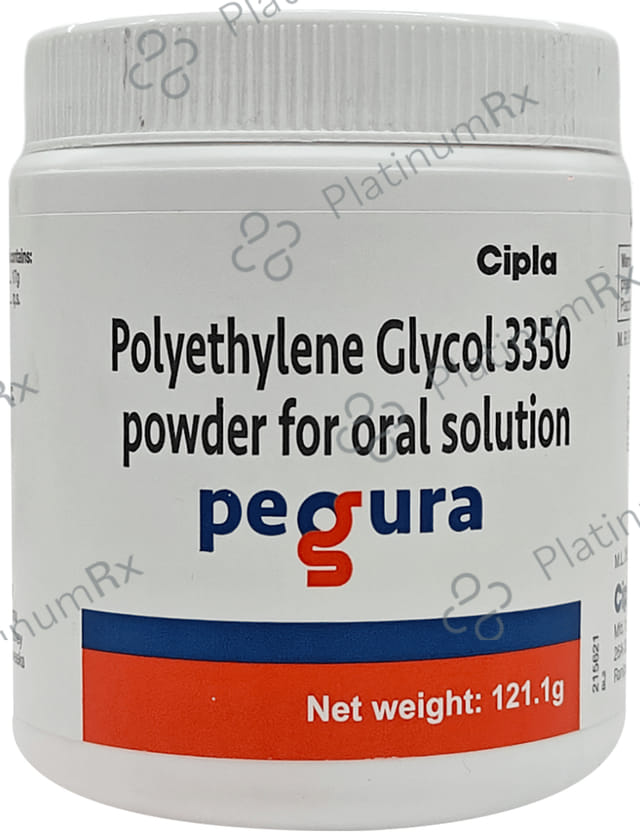
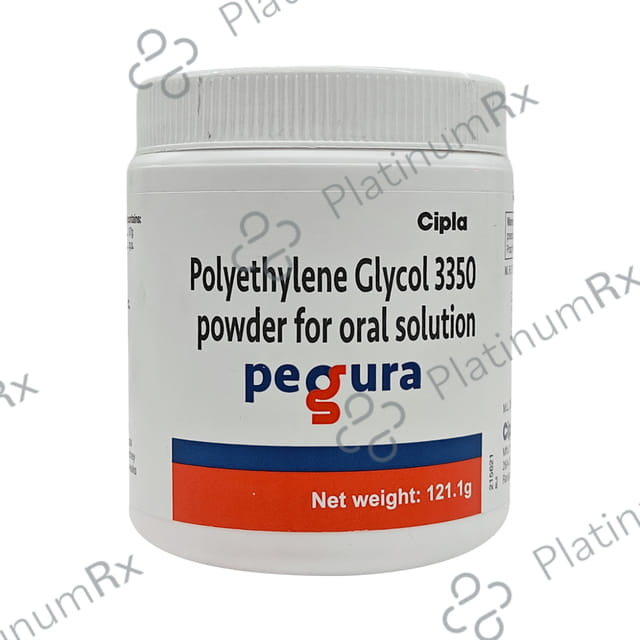
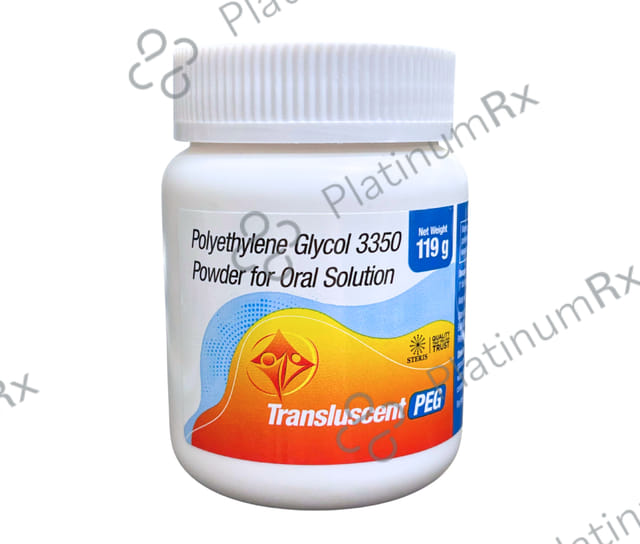
Pegura Granules 1s

Pegura Granules 1s is an osmotic laxative used for occasional and chronic constipation in adults and children. It is a large, inert polymer that is not absorbed in the gastrointestinal tract. Instead, it stays in the colon, where it binds water and increases the water content of stool. This softens the stool, increases its volume, and gently stimulates a bowel movement without cramping or urgency. Pegura Granules 1s is widely used as a once-daily oral powder dissolved in water and is a common laxative recommended for constipation.
Written by: Srishti Bhukta, B. Pharma
Reviewed by: Dr. Varinderjeet Kaur, MBBS
Last updated on: 13-05-2026
Delivery by
...

WHO GMP Certified
Long Expiry (>8 Months)
15 Days Easy Returns
Medicine Comparison

Genuine Medicine
Pay On Delivery
Secure Payment


View content in
 English
Quick Summary
Pegura Granules 1s is an osmotic laxative used for occasional and chronic constipation in adults and children. It is a large, inert polymer that is not absorbed in the gastrointestinal tract. Instead, it stays in the colon, where it binds water and increases the water content of stool. This softens the stool, increases its volume, and gently stimulates a bowel movement without cramping or urgency. Pegura Granules 1s is widely used as a once-daily oral powder dissolved in water and is a common laxative recommended for constipation.
Detailed Description
Pegura Granules 1s is supplied as a tasteless, odourless powder in single-dose sachets or bottles with measuring caps. It is taken orally after dissolving in water, juice, or another beverage. The medicine is intended for short-term relief of occasional constipation and is also used long-term for chronic constipation under medical supervision.
Pegura Granules 1s is a polyether polymer that is too large to be absorbed across the intestinal wall and is excreted unchanged in the stool. Because it is biologically inert and does not affect electrolytes, glucose, or hormones, it has a favourable safety profile and is suitable for prolonged use in adults, the elderly, and children under medical supervision.
It is generally well tolerated and does not cause significant gas, bloating, or cramping at standard doses. This makes it different from older laxatives such as lactulose or stimulants like bisacodyl and senna. Many recommend polyethylene glycol as a first-line option for chronic constipation and faecal impaction in adults and children.
Uses of Pegura Granules 1s
Occasional constipation
Short-term relief from irregular, hard stools, or straining.
Chronic constipation
Long-term treatment for adults and children suffering from constipation for a long time.
Faecal impaction in children
Disimpaction therapy and ongoing maintenance.
Opioid-induced constipation
Used as a stool softener.
Constipation in pregnancy
Considered safe due to lack of systemic absorption (after specialist advice).
Constipation in older adults
Preferred laxative due to its gentle action and minimal side effect profile.
Benefits of Pegura Granules 1s
- Increases bowel movement frequency, softens stool, and reduces straining.
- Unlike other laxatives, Pegura Granules 1s does not cause cramping, urgency, or electrolyte disturbances at standard doses.
- Not absorbed systemically, with extremely low risk of systemic side effects.
- Safe for long-term use under medical supervision.
- Tasteless and odourless powder mixes well in water, juice, tea, or coffee.
- Suitable for adults, the elderly, and children under medical guidance.
- Once-daily dosing improves adherence.
- Does not cause habit formation or rebound constipation, unlike stimulant laxatives.
Side Effects of Pegura Granules 1s
Common (especially during the first week):
- Bloating and mild abdominal cramps
- Gas (flatulence)
- Nausea
- Loose stools or mild diarrhoea
- Increased bowel movement frequency
Uncommon:
- Watery diarrhoea usually happens when higher than recommended doses are consumed
- Mild dehydration if fluid intake is inadequate
- Anorectal soreness (rectal pain) with frequent visits to pass stool
- Headache
Serious side effects requiring immediate attention:
- Severe diarrhoea with dehydration or electrolyte imbalance
- Severe abdominal pain or persistent cramping
- Rectal bleeding or blood in the stool
- Severe allergic reactions, including hives, swelling, or difficulty breathing
- Symptoms of bowel obstruction, such as abdominal distension (enlargement of the abdomen), persistent vomiting, or inability to pass stool or gas
Directions for Use
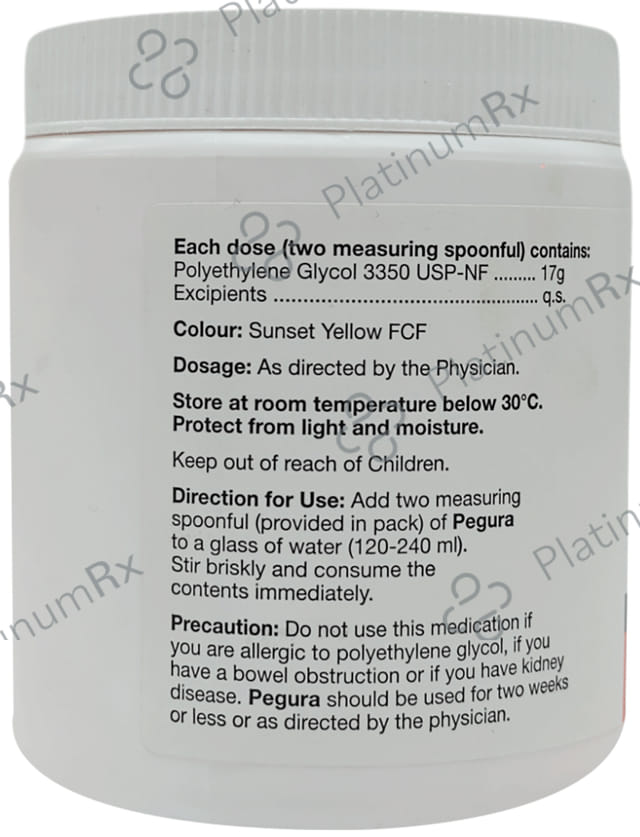
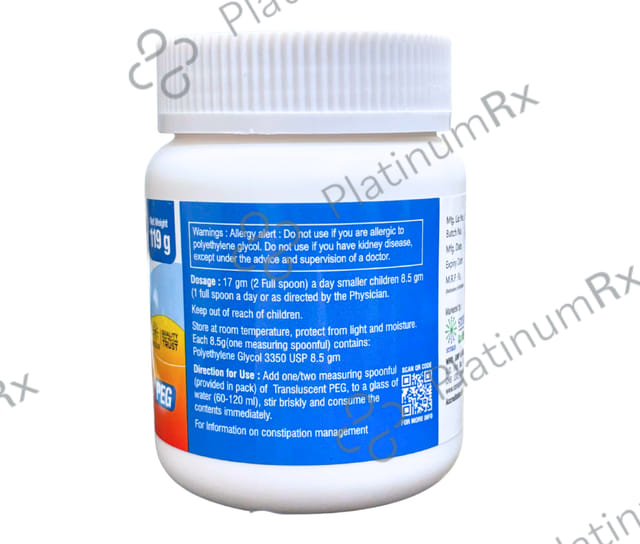
Consume Pegura Granules 1s as directed by your doctor. Add the suggested amount of powder to water, juice, or another beverage, stir until it completely dissolves and consume this mix once daily. The powder is generally tasteless and can be mixed with hot or cold drinks. For children, the dose is calculated by weight and should be prescribed by a doctor. Higher doses may be used for faecal disimpaction in children for a few days. The onset of bowel movement is usually within 24 to 72 hours. For occasional constipation, Pegura Granules 1s should not be used for more than a week without consulting a doctor. For chronic constipation, longer use under medical supervision is appropriate. Drink adequate water throughout the day to prevent dehydration. The dosage can be reduced once a regular pattern of soft stools is established. Do not exceed the prescribed dose without consulting your doctor.
How it works
Constipation happens when stool moves too slowly through the colon (the longest part of the large intestine), allowing too much water to be absorbed by the intestinal wall. The result is hard, dry, difficult-to-pass stools and fewer bowel movements. Pegura Granules 1s addresses this by acting as an osmotic agent in the colon.
Pegura Granules 1s is a long, inert polymer that is too large to be absorbed across the intestinal wall. After ingestion, it travels through the small intestine and into the colon largely unchanged. Each polyethylene glycol molecule has many oxygen atoms along its chain that form hydrogen bonds with water in the gut. As a result, Pegura Granules 1s holds onto water and prevents it from being absorbed by the colonic wall.
The retained water remains in the stool, increasing its volume and softening it. The volume of the stool gently stretches the wall of the colon, generating natural movement of the colon (peristalsis) and producing a bowel movement. Because the laxative effect comes from physical water retention rather than chemical irritation, polyethylene glycol does not cause the cramping, urgency, or bowel-wall damage seen with stimulant laxatives.
Unlike osmotic sugars (lactulose, sorbitol), which are fermented by colonic bacteria and produce gas and bloating, Pegura Granules 1s is not fermented and produces minimal gas. Unlike saline laxatives like magnesium hydroxide, it does not cause electrolyte shifts, making it safer for patients with kidney or heart problems.
Safety Advice for Pegura Granules 1s

Pregnancy
Caution
Not absorbed systemically. However, consult your doctor before use.

Breastfeeding
Safe
Not absorbed systemically.

Children
Caution
Widely used for chronic constipation. Consult your doctor for the appropriate dosage based on the weight of the child.

Elderly patients
Safe
Preferred laxative in elderly patients.

Kidney
Safe
Not systemically absorbed; no dose adjustment needed.

Liver
Safe
Not metabolised by the liver.
Drug-Food Interaction
- Food (NIL): Can be taken with or without food.
- Alcohol (NIL): No clinically significant interaction. However, alcohol consumption may worsen dehydration.
- Other beverages (NIL): Can be mixed with water, juice, tea, or coffee without affecting efficacy.
Interactions with Other Drugs
Other oral medications
USE WITH CAUTION
Can accelerate transit and reduce the absorption of drugs taken at the same time. Separate by 1 to 2 hours where possible.
Diuretics
USE WITH CAUTION
Combined use may increase the risk of dehydration and electrolyte imbalance.
Other laxatives
MODERATE
Combination is generally unnecessary and may cause excessive diarrhoea.
Antidiarrhoeal drugs (loperamide)
USE WITH CAUTION
Counteract each other; do not combine.
Note: Polyethylene glycol is not absorbed and does not affect drug-metabolising enzymes. Pharmacokinetic interactions are minimal.
Drug-Disease Interactions
- Bowel obstruction or suspected obstruction (AVOID): Pegura Granules 1s draws water into the gut, increasing pressure behind the blockage and risking perforation.
- Bowel perforation (AVOID): Pushing more fluid and stool through a hole in the bowel wall accelerates peritonitis and sepsis.
- Severe inflammatory bowel disease (USE WITH CAUTION): The inflamed, friable bowel wall can worsen under added osmotic and motility stress.
- Toxic megacolon (AVOID): Any added volume can trigger perforation.
- Ileus or impaired GI motility (AVOID): Without bowel contractions, the drawn-in fluid just accumulates, causing distension and vomiting.
- Phenylketonuria (PKU) (USE WITH CAUTION): A few formulations contain aspartame, which breaks down into phenylalanine that PKU patients can't process. Check the label before use.
Overdose
Overdosage of Pegura Granules 1s may result in severe diarrhoea, abdominal cramping, dehydration, and electrolyte disturbances such as hyponatraemia (low sodium) or hypokalaemia (low potassium). Management may include stopping Pegura Granules 1s, replacing fluids and electrolytes orally or intravenously, and monitoring electrolyte levels and hydration status. Symptoms generally resolve within 12 to 24 hours of stopping the drug. Severe cases, especially in children, the elderly, or patients with cardiac or renal disease, should be managed by a healthcare professional.
What If You Forget to take Pegura Granules 1s?
If you've missed a dose, take is as soon as you remember on the same day, unless it is close to the time of the next dose. In this case, skip it and continue with your normal schedule. Do not double-dose, as this can cause excessive bowel movements and dehydration. For chronic constipation, consistent daily use is more important than occasional missed doses.
FAQ
References
- https://www.accessdata.fda.gov/drugsatfda_docs/nda/99/20-698.cfm
- https://my.clevelandclinic.org/health/drugs/18795-polyethylene-glycol-powder-for-solution
- https://medlineplus.gov/druginfo/meds/a603032.html
- https://pmc.ncbi.nlm.nih.gov/articles/PMC4848251/
- https://pmc.ncbi.nlm.nih.gov/articles/PMC9481403/
- https://www.nhs.uk/conditions/constipation/
Fact Box
Action Class
Osmotic laxative (water-retaining polymer)
Chemical Class
Polyether polymer (polyethylene glycol)
Habit Forming
No
Disclaimer
PlatinumRx is committed to providing reliable and accurate information to support informed customer decisions. However, all information made available on the Platform, including product descriptions, comparisons, and other content, is provided solely for general informational purposes. Such information is not intended to diagnose, prevent, treat, or cure any medical condition, nor should it be relied upon as a substitute for professional medical advice, diagnosis, or treatment.
Editorial Policy
Customers also bought
Health Articles









More Medicines By Manufacturer
More Medicines With Salt
Top Selling Medicines
Top Selling Devices
