


Aceclofenac + Paracetamol (Acetaminophen) + Rabeprazole
Uses
Aceclofenac, Paracetamol, and Rabeprazole are used for pain relief.
How it Works
How Aceclofenac, Paracetamol, and Rabeprazole Work Aceclofenac, Paracetamol, and Rabeprazole is a combination of two pain relievers (Aceclofenac and Paracetamol) and a proton pump inhibitor (Rabeprazole). The pain relievers work by blocking the release of certain chemical messengers that cause pain and inflammation, such as redness and swelling. However, they may also cause damage to the stomach lining. The proton pump inhibitor is included to reduce acid secretion and prevent this damage.
Side Effects
Common side effects of Aceclofenac, Paracetamol, and Rabeprazole include nausea, diarrhea, constipation, stomach pain, flatulence, loss of appetite, weakness, and flu-like symptoms.
Expert Advice
- Aceclofenac + Paracetamol + Rabeprazole should be taken with food to avoid an upset stomach.
- This medication may cause dizziness and sleepiness; do not drive or engage in activities that require mental focus until you know how it affects you.
- Avoid consuming alcohol while taking this medicine, as it may lead to excessive drowsiness and increase the risk of liver damage.
- Do not take this medication with any other medicine containing acetaminophen (such as drugs for pain/fever or cough-and-cold) without consulting your doctor first.
- Your doctor may regularly monitor your kidney function, liver function, and levels of blood components if you are using this medicine for an extended duration.
Other Combinations
Aceclofenac + Caffeine + Cetirizine + Paracetamol (Acetaminophen) + Phenylephrine
Aceclofenac + Beta-Cyclodextrin
Aceclofenac + Eperisone
Aceclofenac + Beta-Cyclodextrin + Bromelain + Rutoside + Trypsin Chymotrypsin
Aceclofenac + Eperisone + Paracetamol (Acetaminophen)
Aceclofenac + Misoprostol
Aceclofenac + Paracetamol (Acetaminophen) + Tolperisone
Aceclofenac + Paracetamol (Acetaminophen) + Serratiopeptidase + Tizanidine
Aceclofenac + Trypsin Chymotrypsin
Aceclofenac + Paracetamol (Acetaminophen) + Serratiopeptidase
Aceclofenac + Tizanidine
Aceclofenac + Paracetamol (Acetaminophen) + Trypsin Chymotrypsin
Aceclofenac + Chlorzoxazone + Paracetamol (Acetaminophen)
Aceclofenac + Thiocolchicoside
Aceclofenac + Paracetamol (Acetaminophen)
Aceclofenac + Rabeprazole
Aceclofenac + Benzyl Alcohol + Linoleic Acid + Menthol + Methyl Salicylate
Aceclofenac + Bromelain + Rutoside + Trypsin Chymotrypsin
Aceclofenac + Capsaicin + Linseed Oil + Menthol + Methyl Salicylate
Aceclofenac + Cyclobenzaprine
Aceclofenac + Diacerein
Aceclofenac + Drotaverine
Aceclofenac + Paracetamol (Acetaminophen) + Thiocolchicoside
Aceclofenac + Paracetamol (Acetaminophen) + Tizanidine
Aceclofenac + Paracetamol (Acetaminophen) + Tramadol
Aceclofenac + Pregabalin
Aceclofenac + Serratiopeptidase
Aceclofenac + Tramadol
Aceclofenac + Zinc Carnosine
Related Medications

Aceclofenac 100mg + Paracetamol (Acetaminophen) 325mg + Rabeprazole 10mg
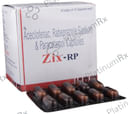
₹59
₹67.8
MRP ₹82.7
Aceclofenac 100mg + Paracetamol (Acetaminophen) 325mg + Rabeprazole 10mg
₹57.7
₹67.8
MRP ₹82.7
Aceclofenac 100mg + Paracetamol (Acetaminophen) 325mg + Rabeprazole 10mg
₹67.8
MRP ₹82.7
Aceclofenac 100mg + Paracetamol (Acetaminophen) 325mg + Rabeprazole 10mg
₹52.5
₹67.8
MRP ₹82.7
Aceclofenac 100mg + Paracetamol (Acetaminophen) 325mg + Rabeprazole 10mg
₹64.7
₹67.8
MRP ₹82.7
Aceclofenac 100mg + Paracetamol (Acetaminophen) 325mg + Rabeprazole 10mg
₹83

Aceclofenac 100mg + Paracetamol (Acetaminophen) 325mg + Rabeprazole 10mg
₹79
Aceclofenac 100mg + Paracetamol (Acetaminophen) 325mg + Rabeprazole 20mg
₹79
Aceclofenac 100mg + Paracetamol (Acetaminophen) 325mg + Rabeprazole 20mg
₹108.8
Aceclofenac 100mg + Paracetamol (Acetaminophen) 325mg + Rabeprazole 10mg
₹159.4
Aceclofenac 100mg + Paracetamol (Acetaminophen) 500mg + Rabeprazole 10mg
₹55.7
Aceclofenac 100mg + Paracetamol (Acetaminophen) 325mg + Rabeprazole 20mg
₹91.9
Aceclofenac 100mg + Paracetamol (Acetaminophen) 325mg + Rabeprazole 10mg
₹73.1
Aceclofenac 100mg + Paracetamol (Acetaminophen) 500mg + Rabeprazole 20mg
₹70.8
Aceclofenac 100mg + Paracetamol (Acetaminophen) 325mg + Rabeprazole 10mg
₹140.6
Aceclofenac 100mg + Paracetamol (Acetaminophen) 325mg + Rabeprazole 10mg
₹60.9
Aceclofenac 100mg + Paracetamol (Acetaminophen) 325mg + Rabeprazole 10mg
₹60.9
Aceclofenac 100mg + Paracetamol (Acetaminophen) 325mg + Rabeprazole 10mg
₹60.9
Aceclofenac 100mg + Paracetamol (Acetaminophen) 325mg + Rabeprazole 10mg
₹71.2
Aceclofenac 100mg + Paracetamol (Acetaminophen) 325mg + Rabeprazole 10mg
₹73.1
Aceclofenac 100mg + Paracetamol (Acetaminophen) 325mg + Rabeprazole 10mg
₹73.1
Aceclofenac 100mg + Paracetamol (Acetaminophen) 325mg + Rabeprazole 20mg
₹65.6
Aceclofenac 100mg + Paracetamol (Acetaminophen) 325mg + Rabeprazole 10mg
₹59
Aceclofenac 100mg + Paracetamol (Acetaminophen) 325mg + Rabeprazole 10mg
₹30
Aceclofenac 100mg + Paracetamol (Acetaminophen) 325mg + Rabeprazole 10mg
₹59