


More About Metformin + Sitagliptin
Quick Summary
Metformin 500mg is an oral antihyperglycaemic agent belonging to the biguanide class, primarily prescribed for managing type 2 diabetes mellitus in adults. It helps control blood sugar levels by improving insulin sensitivity and reducing hepatic glucose production. Available in tablet and sustained-release formulations, it is commonly initiated at 500mg once daily with meals. Metformin is generally safe but requires caution in patients with renal impairment or conditions predisposing to tissue hypoxia due to risk of lactic acidosis.
Detailed Description
Metformin acts at the molecular level by activating AMP-activated protein kinase (AMPK), which decreases hepatic gluconeogenesis and increases peripheral glucose uptake, particularly in muscle tissue. This dual mechanism effectively lowers blood glucose without stimulating insulin secretion, reducing the risk of hypoglycaemia compared to other antidiabetic agents.
It is prescribed for patients with type 2 diabetes mellitus, especially those who are overweight or obese, to improve glycaemic control alongside lifestyle modifications such as diet and exercise. Long-term use of metformin has been associated with improved cardiovascular outcomes and weight neutrality or modest weight loss.
Regular monitoring of renal function through serum creatinine and estimated glomerular filtration rate (eGFR) is essential before and during treatment to avoid accumulation and risk of lactic acidosis. Vitamin B12 levels should also be periodically checked due to potential decreased absorption with prolonged use.
Metformin should be temporarily discontinued in situations of acute illness, surgery, or use of iodinated contrast media to prevent renal complications. Your doctor will monitor your health status and adjust treatment accordingly.
Uses of Metformin + Sitagliptin
Type 2 Diabetes Mellitus
Metformin is used to improve blood sugar control in adults with type 2 diabetes, particularly when lifestyle changes alone are insufficient.
Benefits of Metformin + Sitagliptin
Effective Glycaemic Control
Metformin lowers blood glucose by decreasing liver glucose production and enhancing insulin sensitivity, helping maintain target blood sugar levels.
Weight Neutrality
Unlike some antidiabetic drugs, metformin does not cause weight gain and may promote modest weight loss, beneficial for overweight patients.
Low Risk of Hypoglycaemia
Since metformin does not stimulate insulin secretion, the risk of dangerously low blood sugar is minimal when used alone.
Cardiovascular Benefits
Long-term metformin use has been linked to reduced cardiovascular events in patients with type 2 diabetes.
Side Effects of Metformin + Sitagliptin
Common Side Effects
Patients may experience gastrointestinal symptoms such as anorexia, nausea, vomiting, diarrhoea, abdominal pain, and a metallic taste. These effects are usually transient and improve with continued use.
Serious Side Effects
Lactic acidosis is a rare but potentially fatal complication, especially in patients with renal impairment or conditions causing tissue hypoxia. Decreased vitamin B12 absorption may occur with long-term use.
If you experience unusual muscle pain, difficulty breathing, or severe abdominal discomfort, seek immediate medical attention. Your doctor will assess side effects and adjust treatment as needed.
Directions for Use
Follow your doctor’s instructions carefully when taking Metformin + Sitagliptin. General guidelines include:
- Start with 500mg once daily with breakfast for at least one week.
- Increase dose gradually to 500mg twice daily with meals, then up to 500mg three times daily or 850mg twice daily as tolerated.
- Take tablets with or after food to reduce gastrointestinal side effects.
- Do not crush or chew extended-release tablets; swallow whole.
How it works
Metformin activates AMP-activated protein kinase (AMPK) in liver and muscle cells, which leads to decreased hepatic gluconeogenesis and increased peripheral glucose uptake. This reduces blood glucose levels without increasing insulin secretion, thereby lowering the risk of hypoglycaemia.
Safety Advice for Metformin + Sitagliptin

Allergy
Unsafe
Patients with known hypersensitivity to metformin should avoid this medication. Allergic reactions are rare but may include rash or swelling. Inform your doctor if you have any allergies.

Pregnancy
Caution
Metformin is classified as pregnancy category B. It should be used during pregnancy only if clearly needed and prescribed by a doctor. Your doctor will weigh the benefits against potential risks.

Breastfeeding
Caution
Metformin passes into breast milk in small amounts but is generally considered safe during breastfeeding. Monitor the infant for any adverse effects. Consult your doctor before use.

Driving
Safe
Metformin alone does not usually impair the ability to drive or operate machinery. However, if combined with other antidiabetic drugs, hypoglycaemia may occur. Exercise caution and discuss with your doctor.

Alcohol
Caution
Alcohol intake should be limited as it may increase the risk of lactic acidosis and antagonise the hypoglycaemic effect of metformin. Avoid excessive drinking and inform your doctor about alcohol use.

Liver
Unsafe
Metformin is contraindicated in patients with hepatic impairment due to increased risk of lactic acidosis. Liver function should be assessed before starting treatment. Your doctor will monitor liver health.

Kidney
Unsafe
Metformin is contraindicated in patients with significant renal impairment (eGFR below 30 ml/min). Renal function must be evaluated before and during treatment to prevent accumulation and lactic acidosis.

Children
Caution
Safety and efficacy of metformin in children under 10 years have not been established. Use only under strict medical supervision if prescribed.

Elderly patients
Caution
Elderly patients may have reduced renal function and higher risk of adverse effects. Regular monitoring of kidney function is essential. Dose adjustments may be necessary.
Quick Tips for Metformin + Sitagliptin
- Take metformin with meals to reduce stomach upset.
- Do not skip doses; maintain consistent blood sugar control.
- Inform your doctor before any surgery or use of contrast dye.
- Report symptoms like muscle pain, breathlessness, or unusual tiredness immediately.
- Attend regular check-ups for kidney function and vitamin B12 levels.
Storage Advice
- Store at room temperature between 20°C and 25°C.
- Protect from light and moisture to maintain potency.
- Keep tablets in the original packaging until use.
- Keep out of reach of children to prevent accidental ingestion.
- Do not use after the expiry date printed on the package.
Drug-Food Interaction
Alcohol (SEVERE): Increases risk of lactic acidosis and may interfere with blood sugar control. Avoid excessive alcohol consumption. Your doctor will advise on safe limits.
No significant interactions with common foods have been reported. Taking metformin with meals reduces gastrointestinal side effects.
Interactions with Other Drugs
Iodinated contrast media (SEVERE): Risk of acute renal failure and lactic acidosis. Metformin should be stopped before and for 48 hours after the procedure until renal function is normal. Your doctor will monitor kidney function.
Corticosteroids (MODERATE): May antagonise the hypoglycaemic effect of metformin, leading to higher blood sugar levels. Blood glucose monitoring is advised. Your doctor may adjust doses accordingly.
ACE inhibitors like enalapril (MODERATE): Can enhance hypoglycaemic effect, increasing risk of low blood sugar. Monitor blood glucose closely. Your doctor may modify treatment.
Beta-blockers such as atenolol (MODERATE): May mask symptoms of hypoglycaemia like tremor. Patients should be cautious and monitor blood sugar regularly. Your doctor will provide guidance.
Drug-Disease Interactions
Renal impairment (SEVERE): Metformin is contraindicated in significant kidney dysfunction due to risk of lactic acidosis. Renal function tests are mandatory before and during therapy. Your doctor will assess suitability.
Hepatic impairment (SEVERE): Use is contraindicated in liver disease as it increases lactic acidosis risk. Liver function should be evaluated prior to initiation. Your doctor will monitor liver status.
Heart failure or conditions causing tissue hypoxia (SEVERE): Metformin should be avoided or discontinued due to increased lactic acidosis risk. Your doctor will evaluate risks and benefits.
Daily Dose
Adults with type 2 diabetes mellitus: Start with 500 mg once daily with breakfast for at least one week. Then increase to 500 mg twice daily with meals. Further increase to 500 mg three times daily or 850 mg twice daily as tolerated. Maximum dose is 2 g daily in divided doses.
Overdose
Overdose of metformin primarily affects the kidneys and may lead to lactic acidosis, a medical emergency. Early symptoms include rapid breathing, muscle pain, dizziness, and severe weakness. Immediate medical attention is required. Your doctor will provide emergency treatment and supportive care.
What If You Forget to take Metformin + Sitagliptin?
If a dose is missed, take it as soon as you remember. If it is almost time for the next dose, skip the missed dose and continue your regular schedule. Do not take a double dose to make up for the missed one. Your doctor will advise on consistent dosing.
Fact Box
Therapeutic Class
Antihyperglycaemic agent
Action Class
Biguanide
Chemical Class
Oral hypoglycaemic agent
Habit Forming
No
Checkout Editorial Policy
Metformin + Sitagliptin in other salts
Top Selling Medicines
Top Health Products
Top Selling Devices
Related Medications

Sitagliptin 50mg + Metformin 500mg
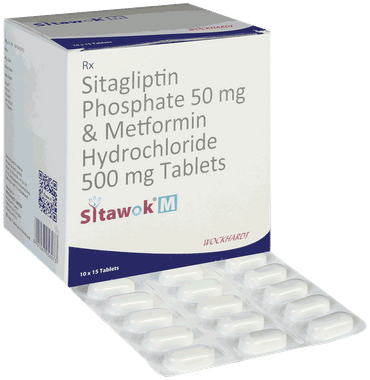
₹134.9
₹137.5
MRP ₹275
Sitagliptin 50mg + Metformin 500mg
₹164.9
₹137.5
MRP ₹275
Sitagliptin 50mg + Metformin 500mg
₹174
₹137.5
MRP ₹275
Sitagliptin 50mg + Metformin 500mg
₹172.5
₹137.5
MRP ₹275
Sitagliptin 50mg + Metformin 500mg
₹189
₹137.5
MRP ₹275
Sitagliptin 50mg + Metformin 500mg
₹137.5
MRP ₹275
Sitagliptin 100mg + Metformin 500mg
₹135
MRP ₹
Sitagliptin 100mg + Metformin 500mg
₹179.9
MRP ₹
Sitagliptin 50mg + Metformin 500mg
₹99
MRP ₹108.5
Sitagliptin 50mg + Metformin 500mg
₹313
MRP ₹108.5
Sitagliptin 50mg + Metformin 500mg
₹145
₹137.5
MRP ₹275
Sitagliptin 100mg + Metformin 1000mg
₹159
MRP ₹310
Sitagliptin 50mg + Metformin 1000mg
₹187.5
₹150.2
MRP ₹300.3
Sitagliptin 50mg + Metformin 1000mg
₹108
₹150.2
MRP ₹300.3
Sitagliptin 50mg + Metformin 1000mg
₹415
₹150.2
MRP ₹300.3
Sitagliptin 50mg + Metformin 1000mg
₹208.5
₹150.2
MRP ₹300.3
Sitagliptin 50mg + Metformin 1000mg
₹115
₹150.2
MRP ₹300.3
Sitagliptin 50mg + Metformin 1000mg
₹115
₹150.2
MRP ₹300.3
Sitagliptin 50mg + Metformin 1000mg
₹204
₹150.2
MRP ₹300.3
Sitagliptin 50mg + Metformin 500mg
₹117
₹137.5
MRP ₹275
Metformin 500mg + Sitagliptin 50mg
₹131.9
MRP ₹108.5
Sitagliptin 100mg + Metformin 1000mg
₹208.7
MRP ₹310
Sitagliptin 100mg + Metformin 1000mg
₹144
MRP ₹310
Metformin 1000mg + Sitagliptin 100mg
₹174
MRP ₹310
Sitagliptin 50mg + Metformin 1000mg
₹385
MRP ₹