Pneumococcal Polysaccharide Vaccine
Uses
Pneumococcal Polysaccharide Vaccine is used for the prevention of pneumonia, meningitis, blood infections, and ear infections.
How it Works
How Pneumococcal Polysaccharide Vaccine Works Pneumococcal Polysaccharide Vaccine is a vaccine that helps develop immunity by initiating a mild infection. This type of infection does not cause illness but stimulates the body's immune system to produce antibodies, which are proteins that protect against future infections.
Side Effects
Common side effects of the Pneumococcal Polysaccharide Vaccine include fever, injection site reactions (such as pain, swelling, and redness), fatigue, muscle pain, and headache.
Expert Advice
- Pneumococcal Polysaccharide Vaccine is administered to prevent invasive diseases caused by pneumococcal bacteria, including:
- Pneumonia
- Meningitis
- Ear infections
- Blood infections
- The vaccine is typically given as an intramuscular injection into the upper arm.
- Only one dose is required for most individuals.
- A booster dose may be administered 5 years after the initial dose.
- Notify your doctor if you have an infection accompanied by a high temperature, as vaccination may need to be postponed until recovery.
- The vaccine may cause fever.
- Inform your doctor if the fever persists or exceeds 102 degrees Fahrenheit.
Related Medications

Pneumococcal Polysaccharide Vaccine 0.5ml

₹2,599
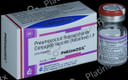
₹1,869.6
MRP ₹2,280
Pneumococcal Polysaccharide Vaccine 25mcg
₹2,525
₹2,070.5
MRP ₹2,525
Pneumococcal Polysaccharide Vaccine 0.5ml
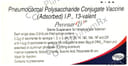
₹3,991
₹1,869.6
MRP ₹2,280
Pneumococcal Polysaccharide Vaccine 0.5ml
₹1,869.6
MRP ₹2,280
Pneumococcal Polysaccharide Vaccine 25mcg

₹2,310
₹2,070.5
MRP ₹2,525
Pneumococcal Polysaccharide Vaccine 25mcg
₹2,135
₹2,070.5
MRP ₹2,525
Pneumococcal Polysaccharide Vaccine 25mcg
₹2,070.5
MRP ₹2,525
Pneumococcal Polysaccharide Vaccine 25mcg
₹2,525
₹2,070.5
MRP ₹2,525
Pneumococcal Polysaccharide Vaccine 0.5ml
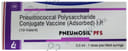
₹2,495
₹1,869.6
MRP ₹2,280
Pneumococcal Polysaccharide Vaccine 16mcg
₹3,801