A heart attack occurs when blood flow to part of the heart muscle is suddenly reduced or blocked. This often happens when plaque builds up in a coronary artery, becomes disrupted, and causes a blood clot to form. Without enough oxygen-rich blood, the affected heart muscle can become damaged.
Some risk factors, such as age and family history, cannot be changed. However, many factors linked to heart attack risk can be managed through healthy lifestyle habits and appropriate medical care.
5 Proven ways to reduce Risk of Heart Attack (Updated 2026)
1. Eat a Heart-Healthy Diet
What you eat can affect several factors linked to heart attack risk, including cholesterol, blood pressure, blood sugar, and body weight.
You do not need to follow a strict or complicated diet. Instead, focus on making healthier choices that you can maintain over time.
Try to include more:
- Vegetables and fruits
- Whole grains
- Beans, lentils, and other pulses
- Nuts and seeds
- Fish and other sources of unsaturated fats
Foods such as oats, beans, and some fruits contain soluble fibre, which may help lower LDL (bad) cholesterol.
Limit Saturated Fat, Salt, and Added Sugar
Where possible, replace foods high in saturated fat with sources of unsaturated fat, such as nuts, seeds, fish, and vegetable oils.
Try to limit foods such as:
- Fatty and processed meats
- Butter and ghee
- Highly processed foods
- Sugary drinks and sweets
- Highly salted and packaged foods
Too much salt can contribute to high blood pressure. Instead of adding extra salt, try using herbs, spices, lemon, or garlic to add flavour to your meals.
The goal is not to avoid individual foods completely but to build a balanced eating pattern that includes a variety of nutritious foods.
2. Stay Physically Active
Regular physical activity can help lower blood pressure, improve cholesterol levels, support blood sugar control, and help with weight management. It can also improve fitness, sleep, and overall well-being.
Most adults are advised to aim for at least 150 minutes of moderate-intensity aerobic activity each week.
You can choose activities that you enjoy, such as:
- Brisk walking
- Cycling
- Swimming
- Dancing
You do not have to complete all your activity at once. You can spread it throughout the week or break it into shorter sessions if that is easier to manage.
Everyday movement also counts. Taking the stairs, walking short distances, gardening, and taking regular breaks from prolonged sitting can help you stay active.
If you have heart disease, chest discomfort, unexplained breathlessness, or another medical condition, speak with your doctor before starting or changing an exercise routine. They can recommend the type and amount of activity that is appropriate for you.
3. Quit Smoking and Maintain a Healthy Weight
Smoking is one of the major risk factors for heart attack. It can damage blood vessels, contribute to plaque build-up, and increase the likelihood of blood clots. Second-hand smoke can also affect cardiovascular health.
Quitting smoking can reduce your cardiovascular risk, even if you have smoked for many years.
If you are finding it difficult to quit, speak with a healthcare professional. Behavioural support and medicines may improve your chances of quitting successfully.
Maintain a Weight That Is Healthy for You
Maintaining a healthy weight may help reduce the risk of conditions associated with heart disease, including high blood pressure and type 2 diabetes.
There is no single healthy weight that applies to everyone. If weight loss is recommended for you, gradual and sustainable changes are generally easier to maintain than restrictive diets.
A combination of:
- Balanced meals
- Regular physical activity
- Appropriate portion sizes
- Adequate sleep
can support healthy weight management.
A doctor or dietitian can help you set realistic goals based on your individual health needs.
4. Manage Blood Pressure, Cholesterol, and Diabetes
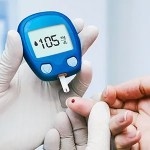
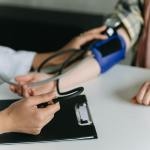
High blood pressure, high cholesterol, and diabetes can increase your risk of a heart attack. The challenge is that these conditions may not always cause noticeable symptoms.
That is why regular health checks are important, even if you feel well.
Have your blood pressure, cholesterol, and blood sugar checked as often as your doctor recommends.
If you have been prescribed medicines to manage any of these conditions:
- Take them exactly as prescribed.
- Do not stop treatment because you feel better.
- Do not change the dose without speaking with your doctor.
- Attend regular appointments so your treatment can be reviewed.
Your doctor may adjust your treatment based on your health, test results, and overall cardiovascular risk.
5. Get Enough Sleep and Manage Stress
Heart health is not only about diet and exercise. Sleep and stress management also play an important role in overall health.
Poor sleep has been associated with conditions that can increase cardiovascular risk, including high blood pressure, weight gain, and changes in blood sugar control.
To support better sleep, try to:
- Maintain a regular sleep schedule.
- Limit caffeine later in the day.
- Reduce screen use before bedtime.
- Follow a relaxing bedtime routine.
Find Healthy Ways to Manage Stress
Long-term stress can affect behaviours that are important for heart health, including eating habits, sleep, smoking, alcohol use, and physical activity.
Healthy ways to manage stress may include:
- Regular exercise
- Relaxation or breathing techniques
- Spending time with people you trust
- Taking part in activities you enjoy
- Maintaining a regular daily routine
Healthy lifestyle habits can support heart health, but they do not replace regular medical check-ups or treatment when needed.
Medicines That May Help Reduce Cardiovascular Risk
Depending on your medical history, your doctor may prescribe medicines to reduce the risk of a heart attack, stroke, or another cardiovascular event.
Antiplatelet Medicines
Antiplatelet medicines make platelets, small cells in the blood, less likely to stick together and form clots.
They may be prescribed for people who have had a heart attack or stroke, have coronary artery disease, or have undergone certain procedures such as coronary stent placement.
Ecosprin 75 contains low-dose aspirin and may be prescribed to help reduce the risk of further cardiovascular events in people with certain heart or blood vessel conditions.
Clopidogrel is another antiplatelet medicine that may be prescribed after a heart attack or stroke, for certain types of coronary artery disease, or following coronary stent placement.
Depending on the reason for treatment, clopidogrel may be used on its own or together with aspirin for a specific period.
Antiplatelet medicines can increase the risk of bleeding and are not suitable for everyone. Do not start, stop, or change these medicines without speaking with your doctor.
Know the Warning Signs of a Heart Attack
Even with healthy lifestyle habits, a heart attack can still occur. Knowing the warning signs can help you seek emergency medical care quickly.
Common symptoms include:
- Pressure, heaviness, tightness, squeezing, or pain in the centre of the chest
- Pain or discomfort that spreads to one or both arms, the neck, jaw, back, or upper abdomen
- Shortness of breath
- Sweating
- Nausea or vomiting
- Feeling light-headed or dizzy
- Unusual tiredness or weakness
Symptoms can vary from person to person. They may begin suddenly or develop gradually, and not everyone experiences chest pain in the same way.
What to Do If You Suspect a Heart Attack
If you or someone around you develops symptoms that could indicate a heart attack, call your local emergency service immediately, even if you are unsure.
While waiting for medical help:
- Help the person sit in a comfortable position.
- Stay with them and monitor their condition.
- Follow instructions provided by the emergency service.
- Do not wait to see if the symptoms improve.
Getting emergency medical care quickly can be critical.
The Bottom Line
You cannot prevent every heart attack, but taking steps to manage the risk factors you can change may help lower your risk.
The most important habits include:
- Eating a heart-healthy diet
- Staying physically active
- Quitting smoking and maintaining a healthy weight
- Managing blood pressure, cholesterol, and diabetes
- Getting enough sleep and managing stress
Regular health checks are equally important because conditions such as high blood pressure and high cholesterol may not cause noticeable symptoms.
Your doctor can assess your overall cardiovascular risk and recommend lifestyle changes, monitoring, or treatment based on your individual health needs.
Written & Reviewed by:- Syed Jommy Abbas