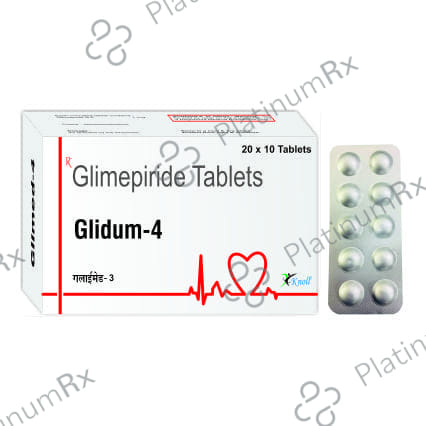
Glidum 4mg Tablet 10s
Glidum 4mg Tablet 10s is an oral anti-diabetic medication containing Glimepiride, a third-generation sulfonylurea used to manage Type 2 Diabetes Mellitus (T2DM) in adults. It helps control blood sugar by stimulating the pancreas to release more insulin. This medication is typically prescribed when diet and exercise alone are not sufficient to maintain healthy blood sugar levels.
Delivery by
...
WHO GMP Certified
Long Expiry (>8 Months)
15 Days Easy Returns
Medicine Comparison
Genuine Medicine
Pay On Delivery
Secure Payment

LegitScript Certified Online Pharmacy


View content in
 English
Quick Summary
Glidum 4mg Tablet 10s is an oral anti-diabetic medication containing Glimepiride, a third-generation sulfonylurea used to manage Type 2 Diabetes Mellitus (T2DM) in adults. It helps control blood sugar by stimulating the pancreas to release more insulin. This medication is typically prescribed when diet and exercise alone are not sufficient to maintain healthy blood sugar levels.
Detailed Description
Glidum 4mg Tablet 10s is an oral glucose-lowering medication specifically indicated for the long-term management of Type 2 Diabetes Mellitus (T2DM) in adults. It contains Glimepiride, which belongs to the sulfonylurea class of drugs, known for their potent and rapid blood-sugar-lowering effects.
The active ingredient, Glimepiride, works by binding to specific receptors on the surface of pancreatic beta cells. This binding triggers a series of cellular events that lead to the increased release of insulin into the bloodstream. By boosting the body's natural insulin supply, Glidum 4mg Tablet 10s effectively lowers both fasting and post-meal blood glucose levels.
Because Glimepiride acts directly on the pancreas to stimulate insulin secretion, it is highly effective at reducing HbA1c levels. Maintaining blood sugar within a target range helps prevent the long-term microvascular complications of diabetes, such as nerve damage, kidney disease, and vision problems. It is usually taken once daily with breakfast, providing a convenient option for patients requiring robust glycemic control. While highly effective, it requires consistent meal timing to avoid the risk of low blood sugar.
Uses of Glidum 4mg Tablet 10s
Glidum 4mg Tablet 10s (Glimepiride 2mg) is indicated for:
Type 2 Diabetes Mellitus (T2DM):
Used as an adjunct to diet and exercise to improve glycemic control in adults.
Monotherapy or Combination:
It can be used alone or together with other anti-diabetic medications like Metformin or insulin when a single agent does not provide adequate control.
Benefits of Glidum 4mg Tablet 10s
Potent Blood Sugar Lowering:
Highly effective at reducing high blood glucose levels and lowering HbA1c.
Rapid Action:
Stimulates the immediate release of insulin, making it effective at controlling post-meal sugar spikes.
Once-Daily Dosing:
The long-acting nature of the drug allows for convenient once-daily administration.
Cost-Effective Management:
As a well-established medication, it offers a reliable and affordable option for long-term diabetes care.
Supports Long-Term Health:
By maintaining target sugar levels, it helps delay or prevent serious diabetes-related complications like kidney or eye damage.
Side Effects of Glidum 4mg Tablet 10s
When taken as directed, this medication is generally well-tolerated, though its potent nature requires awareness of certain reactions.
Common Side Effects:
- Hypoglycemia (low blood sugar) is characterised by shakiness, sweating, dizziness, and rapid heartbeat.
- Temporary visual disturbances (especially at the start of treatment).
- Nausea or gastrointestinal upset.
- Headache.
Serious Side Effects (Seek urgent medical attention):
- Severe Hypoglycemia: Profound low blood sugar that may lead to confusion, seizures, or loss of consciousness.
- Liver Dysfunction: Yellowing of the eyes/skin (jaundice) or dark urine.
- Severe Allergic Reactions: Skin rash, hives, or swelling of the face and throat.
- Blood Disorders: Unusual bruising or bleeding.
Directions for Use
- Dosage: The standard dose is determined by your doctor, often starting at 1mg or 2mg once daily.
- Administration: The tablet should be taken with breakfast or the first main meal of the day.
- Consistency: Take the medication at the same time every day.
- Meal Timing: Never skip a meal after taking this medication, as it may lead to a dangerous drop in blood sugar.
How it works
Glimepiride belongs to the sulfonylurea class. It works through a direct pathway in the pancreas:
- Stimulating Beta Cells: It binds to specific receptors (SUR1) on the pancreatic beta cells.
- Insulin Release: This binding causes the closure of potassium channels and the opening of calcium channels, which triggers the release of stored insulin into the blood.
- Extrapancreatic Effects: It may also improve the sensitivity of peripheral tissues (like muscles) to insulin, helping the body use glucose more effectively.
Safety Advice for Glidum 4mg Tablet 10s

PREGNANCY
CONSULT YOUR DOCTOR
Generally not recommended. Insulin is usually preferred to manage blood sugar during pregnancy to avoid fetal hypoglycemia.

BREASTFEEDING
CONSULT YOUR DOCTOR
It is unknown if it passes into human milk. Due to the risk of hypoglycemia in the infant, it is usually avoided.

DRIVING
CAUTION
The risk of low blood sugar can cause dizziness or blurred vision. Always check blood sugar levels before driving.

LIVER
CAUTION
Use with extreme care in patients with severe liver impairment, as it is metabolised in the liver.

KIDNEY
CAUTION
Use with caution; dose adjustments may be needed as the drug is cleared through the kidneys.

ALCOHOL
STRICT AVOIDANCE
Alcohol can severely increase the risk of dangerous hypoglycemia and should be avoided.
FOOD
REQUIRED
Must be taken with a substantial meal (usually breakfast) to prevent low blood sugar.

LIFESTYLE
CAUTION
Works best with a consistent diet and exercise plan. Avoid skipping meals at all costs.
Quick Tips for Glidum 4mg Tablet 10s
- Carry Sugar: Always keep glucose tablets or a sugary snack nearby to treat "hypos" (shakiness, sweating).
- Identify Yourself: Wear a medical alert bracelet indicating you have diabetes and are on medication.
- Foot Care: Check your feet daily for cuts or sores, as diabetes can affect healing.
- Regular Labs: Attend all scheduled blood tests to monitor your HbA1c and kidney function.
Storage Advice
Store at room temperature (below 30°C) in the original container. Protect from light and moisture, and keep out of reach of children.
Drug-Food Interaction
- Food: Essential for safety. Taking the medication on an empty stomach significantly increases the risk of severe hypoglycemia.
- Alcohol: Consumption can lead to a "disulfiram-like reaction" (nausea, flushing) and can cause unpredictable, dangerous drops in blood sugar.
Interactions with Other Drugs
- NSAIDs & Salicylates: Certain painkillers can increase the effect of Glimepiride, leading to lower blood sugar.
- Beta-blockers: These may hide the warning signs of hypoglycemia (like rapid heartbeat).
- Rifampicin: May reduce the effectiveness of Glimepiride.
- Corticosteroids: Can raise blood sugar, potentially requiring a higher dose of Glidum 4mg Tablet 10s.
Drug-Disease Interactions
- G6PD Deficiency: May lead to hemolytic anaemia (breakdown of red blood cells).
- Severe Renal/Hepatic Disease: Increases the risk of drug accumulation and prolonged hypoglycemia.
- Stress/Surgery: During periods of high physical stress, oral medications may be temporarily replaced by insulin.
Overdose
An overdose can cause life-threatening, prolonged hypoglycemia. Action Required: Consume sugar immediately if conscious and seek emergency medical help. Hospitalisation for continuous glucose monitoring may be required.
What If You Forget to take Glidum 4mg Tablet 10s?
If you miss a dose, take it with your next meal if it is soon. However, if it is nearly time for your next scheduled dose, skip the missed dose. Do not double the dose, as this can cause a severe drop in blood sugar.
FAQ
Fact Box
Therapeutic Class
Anti-diabetic Agent
Action Class
Insulin Secretagogue
Chemical Class
Sulfonylurea
Habit Forming
No
Disclaimer
PlatinumRx is committed to providing reliable and accurate information to support informed customer decisions. However, all information made available on the Platform, including product descriptions, comparisons, and other content, is provided solely for general informational purposes. Such information is not intended to diagnose, prevent, treat, or cure any medical condition, nor should it be relied upon as a substitute for professional medical advice, diagnosis, or treatment.

Customers also bought

More Medicines By Manufacturer
More Medicines With Salt
Top Selling Medicines
Top Selling Devices