Isodit 60mg Tablet SR 10s

Written by: Syeda Jigni Mehraj, B pharmacy
Reviewed by: Dr. Jay Faldu, MBBS
Last updated on: 17-04-2025
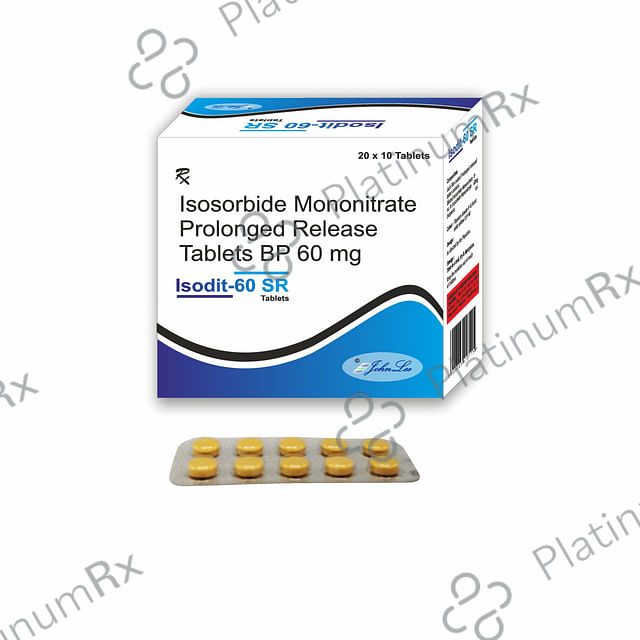
Johnlee Pharmaceuticals Pvt. Ltd.
Delivery by
...
FDA & GMP Certified
Long Expiry (>8 Months)
15 Days Easy Returns
General Information
Have a question?

Genuine Medicine
Pay On Delivery
Secure Payment

LegitScript Certified Online Pharmacy


More About Isodit 60mg Tablet SR 10s
Manufacturer Address
42/44, Babu Genu Road, Shop No. 06, 2nd Floor, Om Shanti Co-op Housing Society, Kalbadevi Road, Mumbai-400002. (India)
FAQ
Disclaimer
PlatinumRx is committed to providing reliable and accurate information to support informed customer decisions. However, all information made available on the Platform, including product descriptions, comparisons, and other content, is provided solely for general informational purposes. Such information is not intended to diagnose, prevent, treat, or cure any medical condition, nor should it be relied upon as a substitute for professional medical advice, diagnosis, or treatment.

Customers also bought
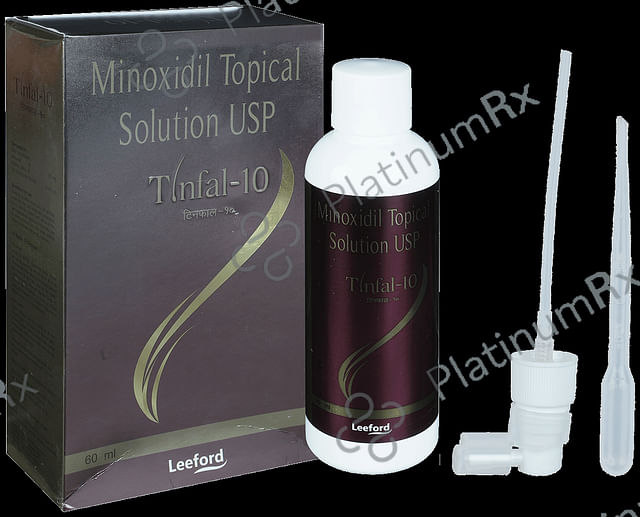
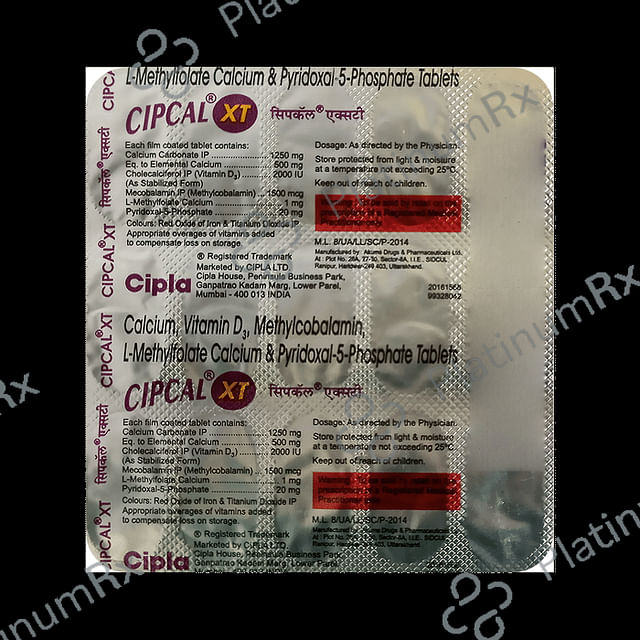
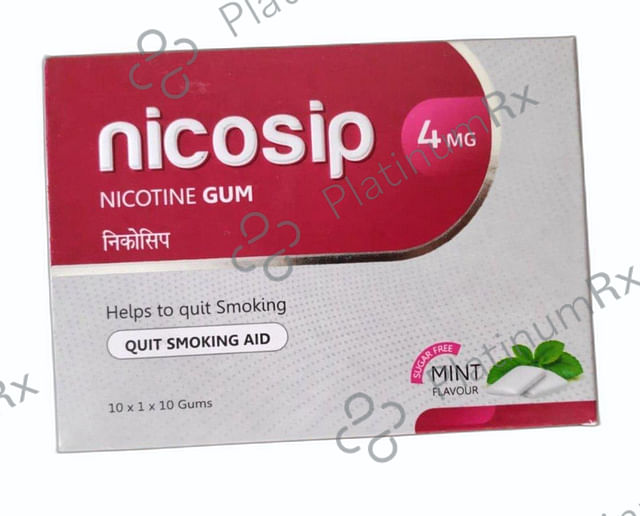
More Medicines By Johnlee Pharmaceuticals Pvt. Ltd.
More Medicines With Isosorbide Mononitrate 60mg
Top Selling Medicines
Top Selling Devices
Top Selling Health Products


